Start with the whole car
A photo of the entire vehicle gives an estimator context for the damage. It shows the model, the color and the general condition of the body panels. This wide view helps place a single dent or scratch within the larger picture. Take this shot from a few steps back in open space.
Park the car on level ground away from shadows cast by trees or buildings.
Step back far enough to fit the whole vehicle inside the frame. Avoid tight angles that cut off the bumper, the roof or a wheel. A straight-on shot from the front and one from the side work well.
This first image also records the surroundings at the time of the damage. A driveway, a parking lot or a street corner can matter later in a claim. Nothing further needs to be staged beyond this simple wide shot.
Move in for wide shots of the damage
Once the whole car is on file, turn attention to the affected panel or area.
Stand a few feet away so the full extent of the damage is visible. A bent bumper, a crumpled fender or a long scratch should read clearly at this distance. This shot shows how far the damage reaches across the surface.
Photograph the damaged area from more than one direction. A shot taken straight on and another taken at an angle reveal different things. Depth, such as a dent that pushes inward, often shows better from the side. Keep the camera steady and level to avoid a distorted view of the panel.
Include a portion of the surrounding, undamaged panel in these frames. This helps an estimator judge where the damage starts and stops. A door that meets a damaged quarter panel, for example, should appear in the same shot. That boundary often matters as much as the damage itself.
Get close on the details
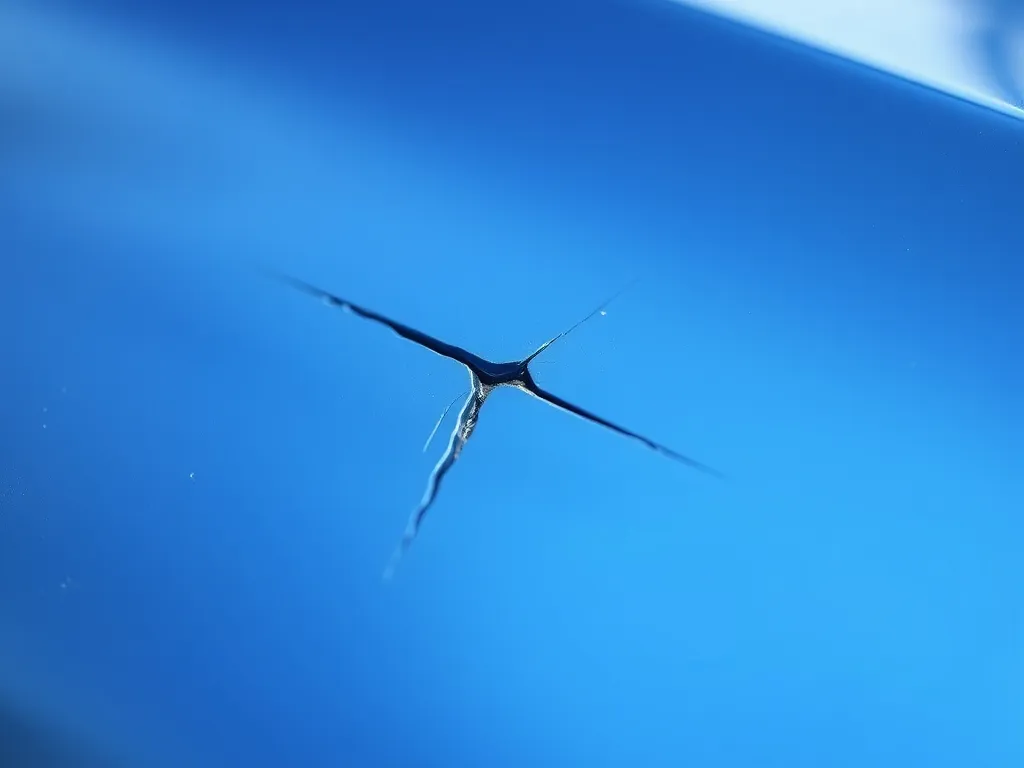
Close-up photos capture texture that a wide shot cannot show. A scratch through the clear coat, a chip down to bare metal or a crack in a bumper needs a near shot. Hold the camera a foot or two from the surface for this kind of detail. Focus on one small area at a time rather than trying to capture everything at once. Place a coin or a hand near the damage to show its scale, keeping the object away from the damaged area itself. This method works well for small damage, such as a hail dent. The goal is to convey a sense of size.
Take several close shots if more than one spot needs attention.
A cracked headlight, a scuffed mirror and a dented door handle each deserve a separate photo. Describe each one when sending them along with a request. This makes the estimate easier to match against the actual vehicle.
Use light that shows the surface clearly
Even, natural light reveals more than a flash pointed directly at the panel. Overcast daylight or open shade tends to show a dent or scratch without harsh glare.
Direct sunlight can wash out fine damage or throw confusing shadows across the panel. Morning or late afternoon light often works better than midday sun.
Move around the car to find an angle where light falls evenly across the damage. A reflection from a window or a shiny hood can hide a shallow dent from view. Tilting the camera slightly, rather than the car, often solves this without much effort. A few test shots from different spots usually reveal the clearest angle. Indoors, a garage with the door open provides steadier light than a bulb overhead. A single indoor light can cast a yellow tone that changes how a color reads in photos. Natural light close to a window or doorway keeps colors closer to how they actually appear. This matters when paint or panel color needs to be judged from the images.
Cover every angle before sending photos in
A complete set of photos includes the whole car, the damaged area from a distance and close details. Front, back and both sides of the vehicle round out the picture for an estimator. Missing an angle often means a follow-up request for more photos later. Covering every side at the start saves that extra round of back and forth.
A short written note alongside the photos adds context. What happened, when it happened and which panels were involved can all be mentioned briefly. This note does not replace the photos; it orients the person reviewing them. Keep the description factual and brief rather than detailed.
Call (360) 555-0137 or send the online form with the images attached to request an estimate. A clear set of photos, taken with the steps above, helps that request move along.
Panelcrest Collision
Call (360) 555-0137 or send the form to request an estimate.