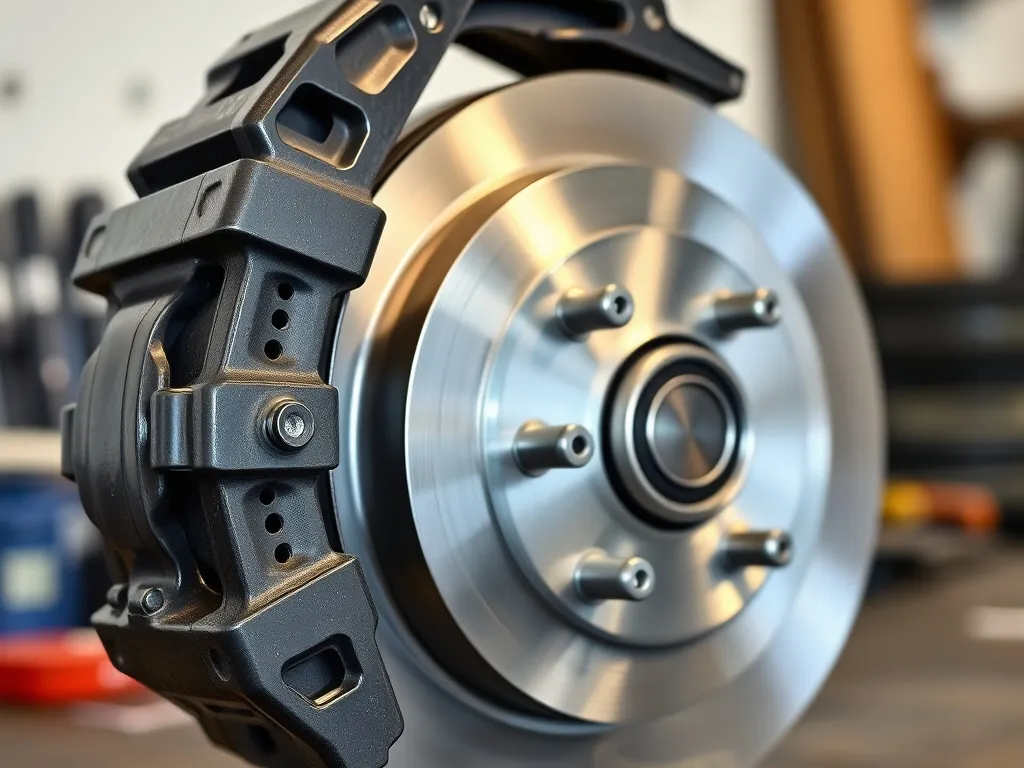
Squealing and squeaking
A high pitched squeal when the brakes are applied often points to a wear indicator built into the pad. This small metal tab touches the rotor once the pad material gets thin. The sound is meant to be noticeable and is not something to leave unaddressed. It usually shows up at low speeds first and grows louder over time.
Squeaking can also come from dust or light surface rust after a car sits overnight. This kind of noise typically fades after a few stops as the surface clears. A squeal that returns on every stop points to something more consistent than surface rust. Noting whether the sound happens on the first stop or on every stop helps. The location of the noise matters too, whether it comes from the front or the back of the car. A sound tied to one wheel rather than all four suggests a localized issue. Noting when the squeal started and how often it happens narrows down the cause. That detail is worth mentioning when the car goes in for a look.
Grinding sounds
A grinding or grating noise usually means the pad material has worn down completely.
At that point metal is contacting metal every time the brakes are applied. This kind of contact can wear a groove into the rotor surface. The noise tends to be constant rather than occasional and gets worse with use.
Grinding can also appear when debris such as a small stone gets lodged near the caliper or rotor. In that case the sound may be intermittent and change with speed or turning. A grinding noise that only shows up while turning points toward a different area than the main pad. Either way the sound signals contact that should not be happening. Continuing to drive on grinding brakes adds wear to parts beyond the pads themselves. The rotor, caliper and surrounding hardware can all be affected the longer the noise continues. Catching this early keeps the repair limited to fewer parts. A car making this noise is generally worth scheduling attention for soon.
Pulling to one side
A car that pulls left or right under braking often has uneven force between the two front wheels. This can come from a caliper that is not releasing fully or a pad wearing unevenly. The pull is usually most noticeable during firmer stops rather than gentle ones. It can also show up as a vibration through the steering wheel. Tire pressure and alignment can produce similar symptoms and are worth ruling out first. A pull that appears only when the brakes are applied points more toward the brake system itself. Noting whether the pull happens every time or only after the car has been sitting is useful. Cold weather can sometimes affect how quickly this becomes noticeable.
A consistent pull is not something that tends to resolve on its own over time. It often points to a specific component rather than general wear across the system. Describing the direction of the pull and when it happens gives a clearer picture. That information helps route the inspection to the right area of the car.
A soft or spongy pedal
A brake pedal that sinks lower than usual or feels soft underfoot often points to air in the lines. Brake fluid should be firm and consistent, transmitting pressure without much give.
A spongy feel can also come from a fluid leak somewhere in the system. Either issue reduces how quickly the car can be brought to a stop.
A pedal that needs to be pumped before it feels firm is another sign worth noting. This pattern suggests the system is not holding pressure the way it should. Fluid level is worth checking against the marks on the reservoir when this happens. A low level paired with a soft pedal points toward a leak somewhere in the lines.
This is one of the symptoms least likely to improve without attention, since it involves fluid and pressure. A pedal that changes feel from one day to the next is worth describing in detail. Noting how far the pedal travels before it engages helps identify the cause faster. That detail matters more here than with most other brake symptoms.
The warning light and getting it checked
The brake warning light on the dashboard can mean several different things depending on the vehicle. In many cars it lights up when the parking brake is engaged, which is normal. In others it signals low brake fluid or a pressure imbalance between circuits.
A light that stays on after the parking brake is released should not be dismissed. This usually means the system has detected something worth flagging on its own.
Pairing the light with any noise or pedal feel gives a fuller picture of the issue. That combination of details is more useful than the light by itself.
Reach the shop at (360) 555-0136 or send the form to set a time.
Every repair there starts with a written estimate before any work begins. That estimate follows a look at the vehicle based on what was described.
Gearwick Auto Repair
Call (360) 555-0136 or send the form to request an appointment.