A pull to one side
A car that drifts toward one side of the lane on a flat, straight road often points to an alignment issue. This pull is easiest to notice on quiet roads where a driver can hold the wheel loosely for a moment.
A slight drift on a road with a strong crown is normal and not always a sign of trouble. A consistent pull on multiple flat roads is the pattern worth paying attention to.
Uneven tire pressure between the left and right sides can cause a similar pull, so checking pressure first rules out a simpler cause. Once pressure is confirmed even across all four tires, a remaining pull points toward the wheels themselves. Brakes that grab unevenly can also mimic a pull, especially when braking lightly. Isolating the cause between tires, brakes and alignment saves time before booking a service.
An off-center steering wheel
On a straight road, the steering wheel should sit level, with its emblem or spokes roughly horizontal. A wheel that sits noticeably crooked while driving straight is a common sign that the alignment has shifted. This is often the first thing a driver notices before any pull or wear becomes obvious. It is worth checking on a flat road rather than a curved or crowned one. A crooked wheel does not always come with a pull, especially in early stages. The steering can feel normal to hold even though the wheel position looks off-center. This makes the visual check useful on its own, separate from how the car feels to drive. Glancing at the wheel position occasionally catches a shift before it becomes more noticeable.
Some vehicles allow a small adjustment to the wheel position without a full alignment, but this does not fix the underlying issue.
Recentering the wheel without correcting the alignment usually leads to the same problem showing up again shortly. A shop can determine whether the wheel position and the alignment itself both need attention. Mentioning when the wheel first looked crooked helps narrow down the likely cause.
Uneven tread wear patterns
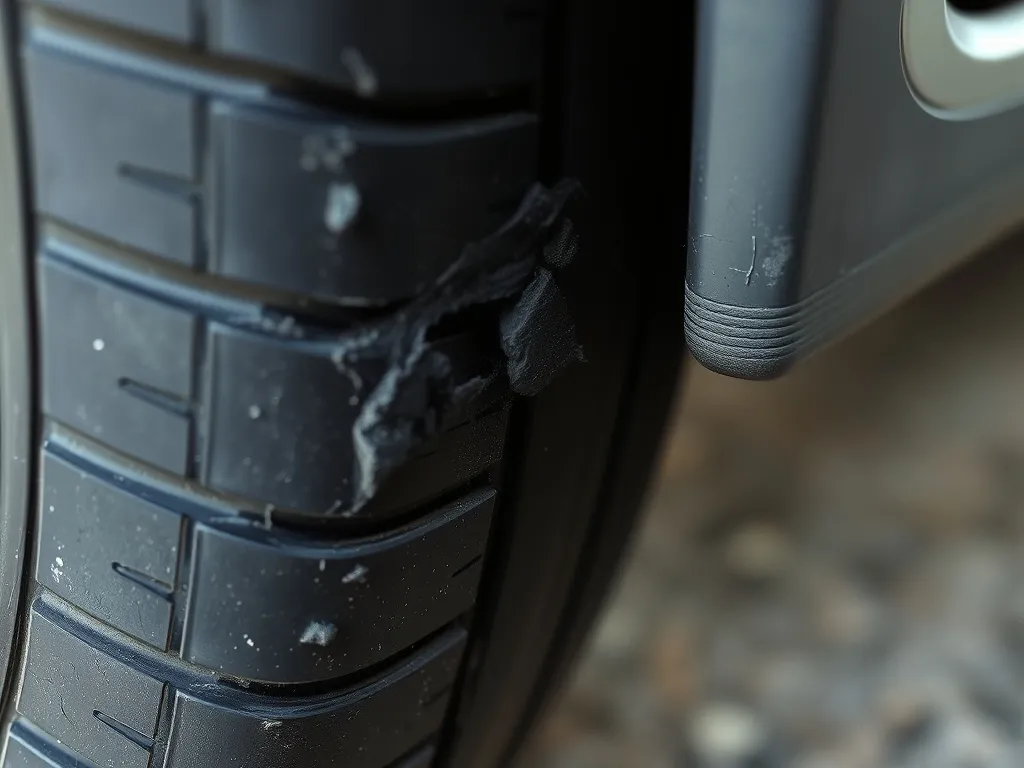
Alignment problems often show up first as wear that is uneven from one edge of the tread to the other.
One edge of the tire may look noticeably more worn than the rest of the tread across the same tire. This pattern differs from wear across the whole tread, which usually points to pressure rather than alignment. Running a hand across the tread can sometimes reveal a slope in wear that is hard to see by eye alone.
Front tires often show this pattern before rear tires, since alignment affects the front wheels most directly. Checking all four tires for a matching pattern helps rule out an issue limited to one wheel. A single tire wearing differently suggests a localized problem. Comparing tires on the same axle makes the difference easier to spot. Wear patterns take time to develop, so early alignment issues may not show up in the tread for a while. This delay means tread wear alone should not be the only signal a driver waits for. Combining a look at tread wear with the pull and wheel position checks builds a fuller picture. Any one sign alone is worth noting, but two or three together make a stronger case for a closer look.
Vibration and steering feel
A steering wheel that vibrates at higher speeds can point to several causes, with alignment being one of them. This vibration is often separate from wear or pull and can occur even on tires with even tread depth. Balance issues can produce a similar feeling, so distinguishing between the two is useful before a visit. Vibration tied to a specific speed range is a detail worth mentioning to whoever inspects the vehicle.
Steering that feels loose or slow to respond can also point toward alignment, particularly on older vehicles. This looseness is different from a pull, since the car may not drift but still feels less precise to steer. A driver who has owned the same car for a long stretch often notices this change before anyone else would. Comparing the current feel to how the car handled when it was newer helps describe the change clearly. Suspension wear can produce symptoms similar to alignment issues. A shop that inspects the vehicle can separate a worn component from an alignment that has drifted out of spec. Describing when vibration or looseness happens, such as at highway speed or while braking, helps with diagnosis. Details like these narrow down inspection before work begins.
Deciding when to have it checked
None of these signs on their own require an immediate stop to a shop, but a combination of them is worth acting on. A pull paired with an off-center wheel or uneven wear points more clearly toward the wheels needing attention.
Waiting too long after noticing these signs can wear down tread that would otherwise last longer. Addressing the cause early tends to be simpler than correcting both alignment and tire wear at once.
Keeping a rough note of when a pull or vibration started makes it easier to describe during a visit. Mentioning any recent curb strikes, pothole impacts or new tire installations gives useful context for the inspection. A shop can measure the actual alignment angles rather than relying on how the car feels from the driver's seat. That measurement either confirms the suspicion or points toward a different cause entirely.
Call (360) 555-0139 or send the form to have the vehicle inspected before wear continues.
Rimwick Tire Center
Call (360) 555-0139 or send the form to request a tire quote.