Washing without drying it out
Beard hair is coarser than scalp hair and dries out faster with regular shampoo. A beard wash or a mild cleanser removes dirt and oil without stripping the natural moisture the skin produces.
Washing a few times a week, rather than daily, keeps the beard clean without leaving it brittle. Hot water can also dry out the skin underneath, so lukewarm water is a gentler choice.
Rinsing thoroughly matters as much as the wash itself, since leftover product buildup can cause flaking. Pat the beard dry with a towel instead of rubbing it, which reduces frizz and breakage. Letting the beard air dry partway before styling gives a more natural shape once you comb or brush it. Skipping a full wash on busy days and rinsing with water alone still helps remove surface dirt. Skin underneath the beard needs attention too, since it can get dry or itchy without proper care. A light moisturizer or beard oil applied after washing helps calm irritation and softens the hair. Massaging the product into the skin, not the hair alone, reaches the area that tends to get flaky.
Conditioning and daily oil
A beard conditioner or oil applied after washing keeps the hair soft and easier to manage through the day. Oils with lighter bases absorb faster and work well for shorter beards that need less product. Thicker balms hold longer beards in place and add a bit of shape without feeling heavy. Trying a small amount first helps you judge how much a beard actually needs. Applying oil to a damp beard, rather than a dry one, helps it spread evenly through the hair. Working the product from the skin outward covers both the roots and the visible length. Beards left untreated for long stretches often become dry, wiry and hard to shape with a comb.
Some men skip oil in favor of a leave-in conditioner, which works well for thicker or curlier beard hair. Either option addresses the same problem, which is hair losing moisture faster than the skin can replace it. Testing a product for a week or two shows whether it suits your skin without irritation. Switching products occasionally is common if a beard's texture changes with length.
Brushing and shaping at home
A brush with stiff, natural bristles helps train beard hair to lie in one direction.
Brushing also distributes oil evenly and lifts the hair slightly at the roots, which adds fullness. A wide-tooth comb works better for detangling longer beards before a brush smooths the surface. Brushing daily, especially after applying oil, keeps the beard looking shaped rather than wild.
Trimming stray hairs at home between professional visits keeps the beard looking intentional. Small scissors work well for trimming a few longer strands without changing the overall shape. Avoid reaching for clippers at home unless you are confident about the length, since mistakes are hard to fix quickly. Sticking to light touch-ups between visits leaves the main shaping work for the barber.
Pay attention to how the beard grows along the cheeks and jawline, since these areas often grow unevenly. Combing against the grain occasionally reveals patchy spots that need more careful trimming. Checking the beard in good light, rather than a dim bathroom mirror, shows the true shape more clearly. This habit helps you spot problems early instead of after they become obvious.
Keeping the neckline tidy
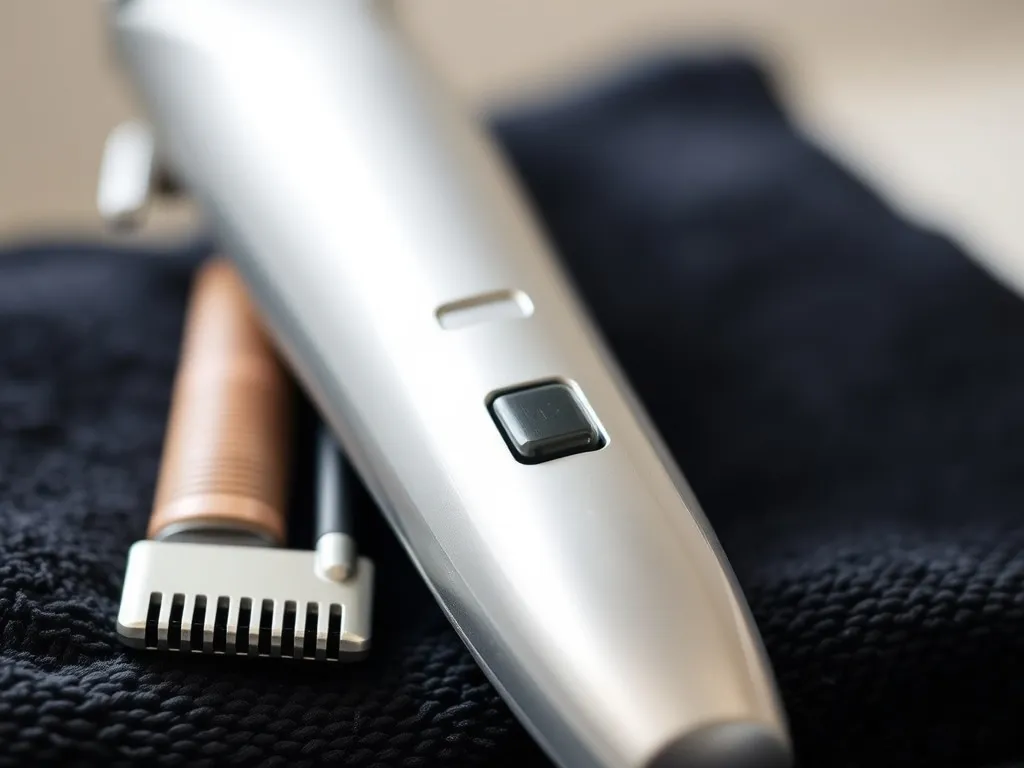
The neckline is one of the fastest areas to look unkempt between trims. Hair below the natural jawline tends to grow in different directions, which makes the edge blur quickly. A small trimmer or edger works well for cleaning this line at home without touching the main beard shape.
Shaving the neckline in the shower, when the skin is warm and the hair is softer, reduces irritation.
Going slowly and checking the line from a few angles helps avoid an uneven edge. Some men trim the neckline every few days, while others wait longer depending on how fast the area grows.
The cheek line above the beard benefits from the same light attention, especially where beard hair meets sideburns. A cotton swab dipped in a bit of oil can also soothe small nicks from at-home trimming. Consistent care around these edges keeps the whole beard looking maintained between barber visits. Small daily habits add up to less work whenever you do sit down for a full trim.
Bladewick Barbers
Call (360) 555-0130 or walk in to get a cut at Bladewick Barbers in Kestrel Bay.