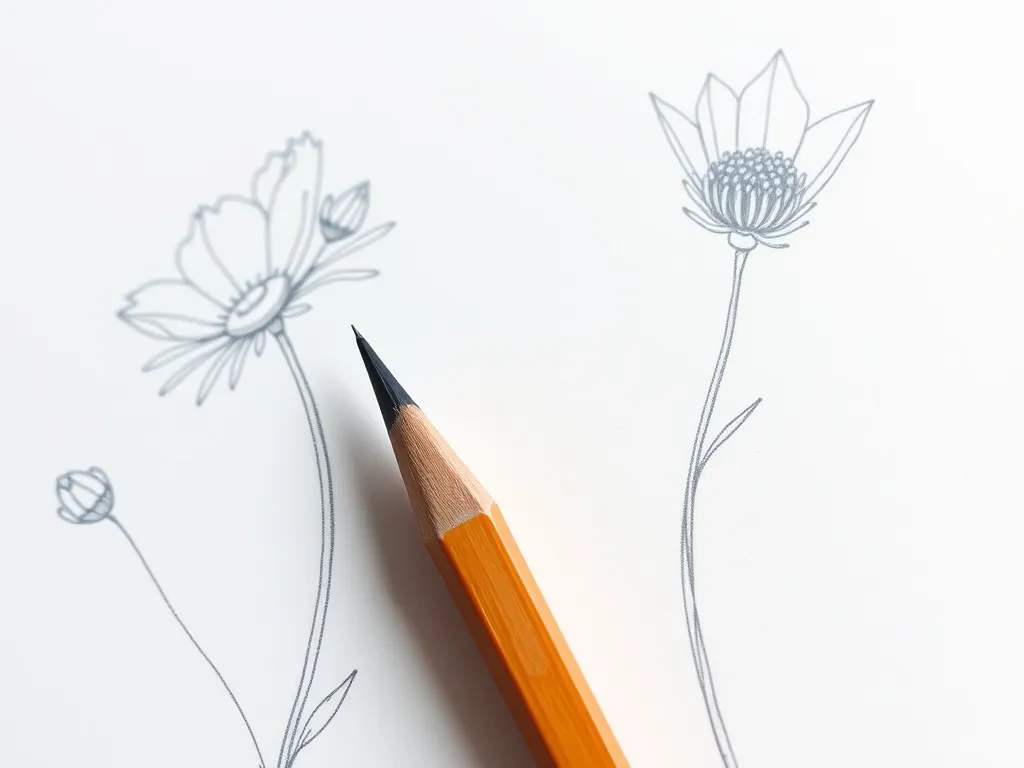
Why fine detail needs room
A design packed with fine detail needs enough space to hold its shape. Thin lines placed too close together can blur into a single dark patch over time. A pattern that reads clearly on paper does not always translate at a smaller scale. Enough space between elements keeps each part visible once the ink settles.
Shading and small linework both depend on the skin having room to hold the ink. A cramped design forces the artist to simplify details that were part of the original idea. Simplifying too much can change the character of a piece drawn from a detailed reference. Discussing scale early helps match the design to the space available. A tattoo drawn at full size on paper looks different once resized for a smaller area. What reads as texture in a large image can turn into a smear in miniature. Testing a design at its intended size, rather than only on paper, shows where it may struggle. That test often decides whether a design needs to grow or simplify.
Line weight and spacing
Thicker lines hold up over time better than thin ones packed into a small space.
A design with many thin lines close together risks losing definition years down the road. Spacing lines further apart, even slightly, helps each one stay distinct. An artist can often suggest where to open up a crowded design.
Negative space, the untouched skin between lines, does real work in a design. It gives the eye a place to rest and keeps the piece from reading as one dark block. Removing some negative space to add more detail can crowd a design past its limit. A balance between detail and open space usually makes a design last. Color adds another layer to the spacing question, since colors can bleed into each other at small sizes. Bold color blocks generally need more space than fine black linework. A design mixing color and detail benefits from extra size to keep both readable. Talking through color plans alongside size avoids a cramped result later.
How placement affects small work
Areas of the body with more movement, like joints, can affect how small detail holds up. Skin that stretches and folds regularly puts more strain on fine lines than flatter areas do. A design meant for a joint may need simpler linework or a larger overall size. Flatter areas such as the back or thigh generally hold detailed work better. The body's natural curves also affect how a flat design translates once it wraps around a limb. A design drawn straight on paper may need adjusting to sit properly on a curved surface. An artist maps this out before the final size is settled. That mapping step often changes how much space a design actually needs.
Change to a smaller design over years is a normal part of owning any tattoo.
Some softening at the edges happens with fine detail over time. Choosing a size with a bit of room to spare can offset some of that change. Raising this directly is useful when discussing a smaller or highly detailed design.
Talking about size at the consult
Bringing a size in mind to the consult gives the artist a starting point for the conversation. That starting size often shifts once the artist assesses the level of detail in the reference.
A design with a lot of small elements may need more room than first expected. Staying open to that adjustment usually leads to a design that holds up.
Asking directly how a design will age at a given size is a fair question. An artist can point out where a design needs to simplify or grow. Bringing a few reference images at different sizes helps show what look is wanted. This makes the size conversation more concrete than describing a size in inches alone.
Placement and size are often discussed together, since the two decisions affect each other directly. A larger design may need a flatter or larger area of the body to fit properly. A smaller design opens up more options for placement but may limit how much detail survives. Working through both questions together tends to produce a clearer plan before any ink goes down.
Settling on a final size
A final size usually comes after weighing detail, placement and how the design should read years from now. Sketches at more than one size can help settle the question before the appointment. Viewing the design at full scale, not as a small print, gives a clearer sense of the result. That step matters before committing to a size.
Once size is settled, the rest of the planning, like color and shading, tends to fall into place. A design that fits its intended space usually needs fewer changes once the session begins.
Locking in size early also helps the artist plan how the piece will come together. This groundwork makes the actual tattooing session more straightforward.
Call (360) 555-0135 or send the form to talk through size before booking an appointment.
Needlefen Tattoo
Reach out to Needlefen Tattoo to book a consult and talk through your tattoo idea.