What the care label tells you
A care label sits near a side seam or waistband and lists fiber content plus cleaning instructions. It uses a small set of symbols instead of full sentences to save space. A circle means dry clean, and a circle with a line through it means do not dry clean. Reading these symbols before a garment goes in the wash prevents damage that cannot be undone. "Dry clean" without "only" often means a garment can also handle careful hand washing or a gentle machine cycle. "Dry clean only" removes that option and points toward a cleaner instead. The word "only" narrows the choice down to one safe method. A shopper who skips this word risks ruining a blouse or jacket at home.
Silk, rayon and some wool blends often carry these added warnings. Skipping past them can turn a small mistake into a garment that no longer fits.
Symbols beyond the dry clean circle
A triangle on a label refers to bleach, and an empty triangle means bleach is safe to use. A filled triangle or one with an X through it rules bleach out entirely.
A square with a circle inside refers to machine drying, and a dot count marks the heat setting. An iron symbol with dots follows the same pattern for temperature.
These symbols work together rather than alone, so a full reading covers the whole label. A dry clean symbol paired with a low heat iron symbol tells a fuller story than either mark alone. Missing one symbol on a label can lead to a step that damages the fabric. Checking every symbol before cleaning keeps a garment in its original shape.
Labels sometimes wear thin or fade after repeated washing, which makes the symbols hard to read. A faded label still carries useful information if a magnifier or good light brings the print back. Garments without a legible label call for a guess based on fabric and construction instead. A cleaner can often identify a fabric even when the tag has worn away.
Fabrics that often need dry cleaning
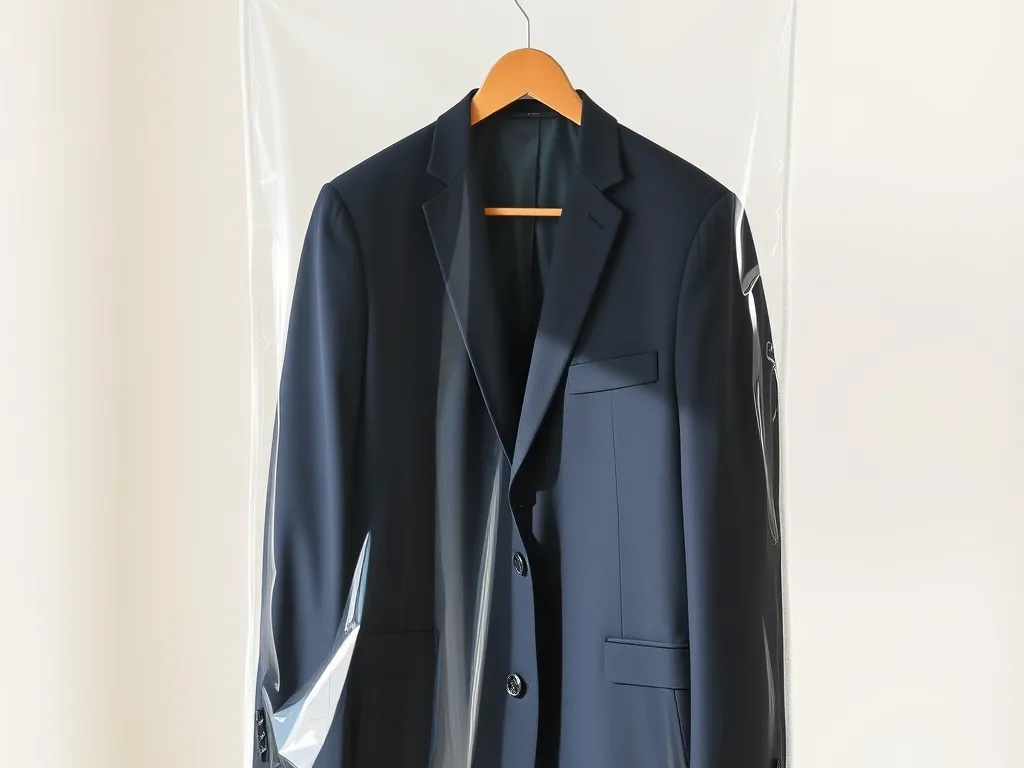
Silk, wool, velvet and many structured fabrics tend to carry a dry clean or dry clean only label. These materials can shrink, stretch or lose their finish when washed with water and agitation. Structured items such as blazers and coats also hold their shape better with dry cleaning. A lining sewn into a jacket may react differently than the outer fabric, adding another reason for caution.
Embellished garments with beading, sequins or delicate trim also lean toward dry cleaning over washing. Water and heat can loosen glue or thread that holds these details in place. A garment with mixed fabrics, such as a silk blouse with a cotton lining, often needs the more cautious method throughout. Treating the whole garment the same way avoids uneven wear between sections. Cotton and many synthetic blends usually wash well at home despite an occasional dry clean note on the label. A label writer sometimes chooses dry clean as a cautious default rather than a strict requirement. This is one reason a second opinion from someone familiar with fabric can be useful. A short question before cleaning saves a guessing game later on.
When a label raises questions
A label can list two conflicting instructions, such as dry clean plus a note about hand washing.
Vintage garments and pieces without a working label present a similar puzzle. A repaired or altered garment may carry a replacement label that no longer matches the original fabric. Any of these situations calls for a second look before cleaning begins.
A stain adds another layer, since some treatments interact differently with dry cleaning solvents than with water. Pointing out a stain and asking about it before cleaning starts is more useful than guessing at home. A mixed fabric garment, such as a dress with a lace overlay and a satin lining, often needs a decision about which layer takes priority. That decision is easier for someone who handles fabric regularly. A garment with metal hardware, such as buttons, zippers or beading, can also raise questions a printed label does not answer. Heat and solvent both affect metal differently than they affect thread or fabric. Bringing the item in and asking directly clears up most of these gaps. A short conversation at drop-off often prevents a longer conversation about damage afterward.
Bringing garments in for a second opinion
A cleaner who works with fabric daily can often tell what a garment needs beyond what the label states. Bringing in a confusing label, a faded tag or a garment with mixed materials is a normal request. Pointing out any stain, tear or loose button at drop-off helps the cleaning match the garment. This step takes little time and avoids assumptions that do not hold up. Sorting garments by fabric and label before a cleaning trip also makes the process smoother at the counter. A pile of dry clean only items kept apart from washable clothes speeds up the conversation. Asking about an unfamiliar symbol or a garment without a label is a normal part of drop-off. There is no need to guess at home when the answer is a short question away.
Questions about labels and care can be asked at the counter during drop-off. Anyone with a label that raises questions can call (360) 555-0143 or send the form to ask before bringing a garment in.
Pressmark Cleaners
Call (360) 555-0143 or get directions to drop off cleaning, shirts, or a garment for alteration.