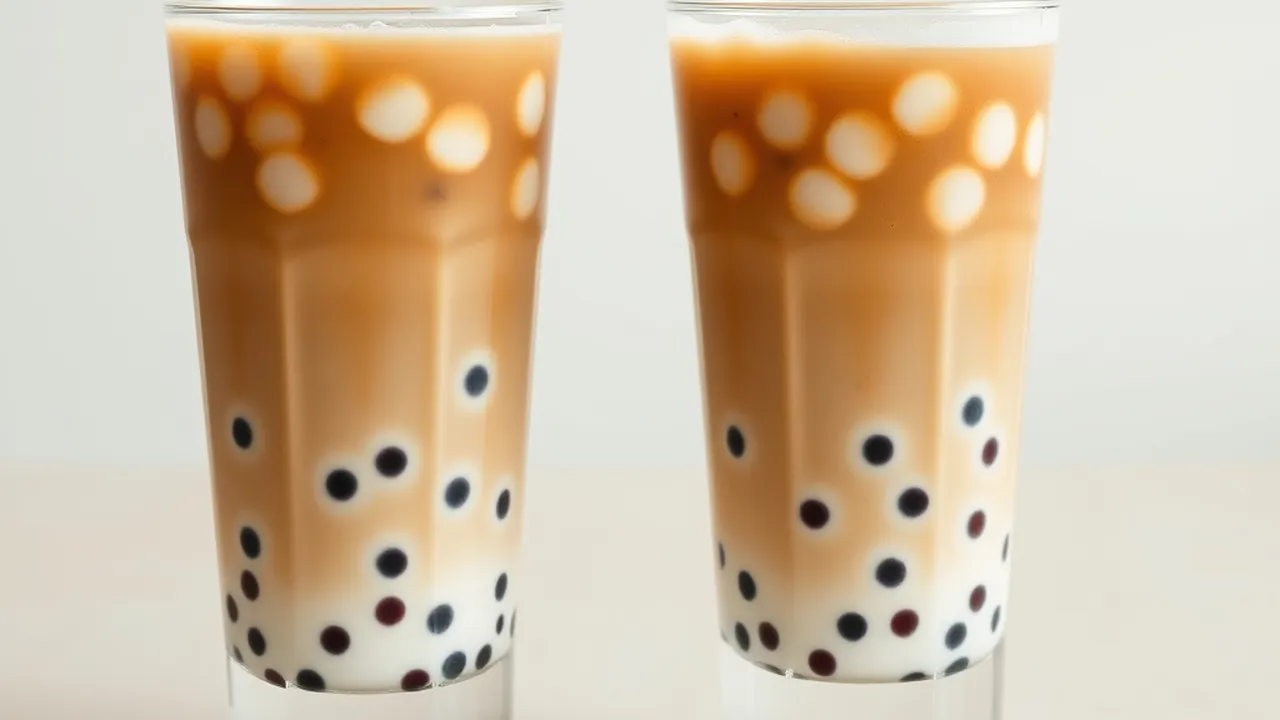
What sweetness levels mean
Sweetness level describes how much syrup goes into a drink before the tea and ice are added. Most shops offer a scale that runs from zero percent up to full sweetness, with common steps in between. Each step changes the balance between the tea's own flavor and the added sugar. A lower step lets the tea taste come through more clearly on the tongue. A half sweetness order often tastes rounded, since the sugar softens the tea without covering it. Full sweetness suits a drink built around a strong topping, since the sugar carries through jelly or pearls. Zero sweetness works best when the tea is already fragrant or a milk base adds its own richness. Trying a middle step first gives a fair sense of the tea before adjusting up or down.
Sweetness also interacts with toppings, since a topping soaked in syrup adds sugar on its own.
A drink ordered at seventy percent sweetness with a sweet topping can taste sweeter overall than the number suggests. Asking about a topping's preparation helps set expectations before the sweetness choice is made. Small adjustments across a few orders usually reveal the step a drinker prefers most.
What ice levels change
Ice level affects two things at once: how cold a drink is and how much it gets diluted as the ice melts. A shop scale often runs from no ice through light, regular and full ice.
More ice makes a drink colder at first sip but thins the flavor faster as it sits. Less ice keeps the tea concentrated for longer, which matters on a longer visit.
A drink with milk can turn watery once ice melts, so a lighter ice level keeps the texture steady. A fruit tea with a bright, tart profile handles more ice without losing its character. A warm afternoon order leans toward more ice for a quick chill, while a slower visit calls for less. The right ice level depends on how fast the drink is finished.
Ice level and sweetness level work together, since melting ice dilutes both the tea and the sugar. A drink ordered sweet with heavy ice may taste balanced only in the first few sips. Ordering less ice with the same sweetness keeps that balance steady through the whole cup. Paying attention to both numbers together, rather than one alone, gives a more even drink.
How to order in practice
Most counters ask for sweetness and ice as two separate numbers or words, spoken right after the drink name. A typical order sounds like a specific milk tea, seventy percent sweet, light ice. Saying both levels up front saves a second question from the person behind the counter. Writing the same two details on a group order sheet keeps things consistent for everyone.
A first-time drinker can ask for a starting point, such as half sweetness and regular ice, then adjust on the next visit. Noting what worked on a receipt or a phone makes reordering the same drink simple later. A counter staff member can also explain how a specific topping affects the final sweetness. Asking questions before ordering costs nothing and prevents a drink that misses the mark. Some drinks have a natural pairing of levels that suits their base, though any combination can usually be requested. A rich milk tea often pairs with a lower sweetness to avoid a heavy cup. A citrus or berry fruit tea can take a higher sweetness since the tartness balances it. Asking the counter for a suggestion is a reasonable way to start before settling on a personal preference.
Matching levels to the drink itself
A milky base carries sweetness differently than a clear fruit tea, since fat in the milk rounds out sugar's edge.
A drink built on brewed black tea can take a fuller sweetness without tasting cloying. A lighter green tea base often shows sugar more directly, so a lower step keeps it balanced. Matching the base to the sweetness step is part of getting a drink right the first time.
A topping with its own sugar, such as a sweetened jelly, adds another layer worth factoring in. Ordering a topping-heavy drink at a lower sweetness level often keeps the overall cup from tasting too sweet. A plain topping with little flavor of its own has less effect on the final balance. Considering the topping before setting the sweetness level avoids a drink that turns out sweeter than planned.
Adjusting after the first sip
A drink that tastes too sweet on the first sip can be adjusted on the next order rather than finished as is. Moving down one step in sweetness, such as from full to seventy percent, is a common small change. A drink that feels too diluted by the last few sips suggests trying less ice next time. Small, one-step changes are easier to judge than large jumps in either direction. Keeping a simple note of past orders, even only the level written down, makes future visits quicker. A group of regular drinkers often settles on a favorite combination after a few visits. Sharing that combination with a new drinker in the group gives them a starting point too. Preferences can also shift with the season, since a hot afternoon calls for different levels than a cool one.
Sweetness and ice levels adjust on every drink. Ask the counter staff about a specific combination at the time of order, or call (360) 555-0108 ahead of a visit to discuss options.
Pearlnest Tea House
Call (360) 555-0108 or send the form to order from Pearlnest Tea House.