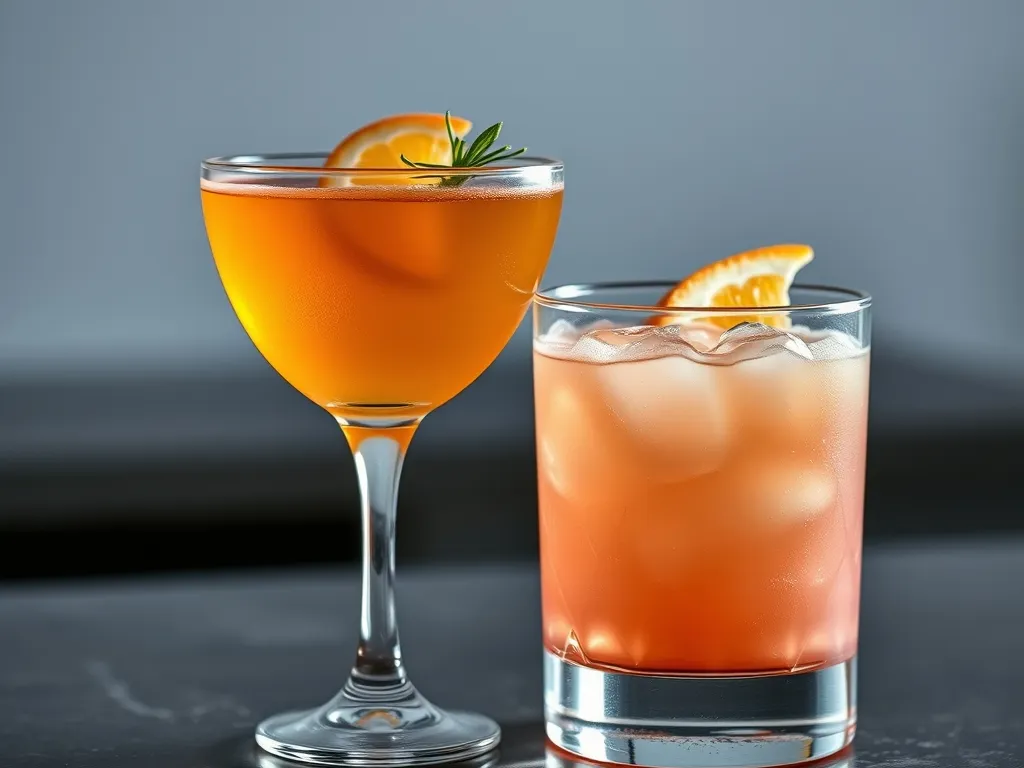
Arriving and finding a seat
A cocktail lounge usually splits its floor between reserved tables and open bar seating. Tables held by reservation are set aside for the guest who called ahead, while the bar itself is open to anyone who arrives.
Knowing which category applies before walking in saves a few minutes at the door. It also helps to know whether reservations are taken by phone or another method.
A guest without a reservation can usually still be seated at the bar, since that seating is first come. Arriving earlier in the evening improves the odds of finding an open stool. A larger group is more likely to need a table, which usually means calling ahead. Checking hours before heading out avoids arriving after close or before the doors open.
A guest planning ahead can also ask whether a table can be held for a larger group or a specific time. Confirming these details over the phone avoids surprises upon arrival. This becomes more important on a busier night when seating fills quickly. Simple planning at the start of an evening tends to pay off by the end of it.
Ordering at the bar
Ordering at a cocktail bar works best when the request is specific: a base spirit and a flavor direction. The bartender uses that information to choose or adjust a recipe. A guest unsure of what to order can describe a drink liked in the past instead of naming one outright. That description often works as well as a specific name. Patience matters more at a cocktail bar than at a casual one, since many drinks are built to order rather than poured ahead of time. A stirred or shaken cocktail takes a few minutes longer than a simple pour. Standing back from a crowded bar rail while waiting gives the bartender room to work. Flagging a bartender with a raised hand or a clear word works better than calling out repeatedly.
Tipping and paying
Tipping at a cocktail lounge generally follows the same practice as tipping at any bar.
A guest running a tab can add a tip when closing it out. One paying per drink can tip at the time of each order. Either method is common.
Splitting a check among a group is easier to sort out before ordering than after several rounds have arrived. Asking the bartender or server how the venue prefers to handle split checks avoids confusion later. Some venues split evenly, others itemize by drink. A quick question at the start saves a longer conversation at the end.
Pacing an evening
A cocktail lounge tends to move at a slower pace than a bar built around quick turnover. Drinks arrive one at a time, and a lounge often expects a guest to stay through a few rounds rather than one. Ordering water between cocktails is common practice and rarely draws attention. Pacing the evening around conversation rather than the next round keeps the visit comfortable.
Groups planning a longer evening, including a private gathering, often need to arrange details beyond a single reservation. Private events and catering trays are usually set up ahead of time through a separate request rather than a walk-in order. Reaching out early gives the venue time to prepare properly. This applies whether the gathering is small or larger than a usual visit. A slower pace also gives a guest room to switch between cocktails, wine or a small plate without feeling rushed. Ordering a lighter drink partway through the evening is a common way to pace an evening. Staff generally expect a guest to take their time rather than move quickly through rounds. This unhurried approach is part of what separates a lounge from a fast-turnover bar.
Keeping it simple
Following these habits makes a visit smoother for both a guest and the staff. None of it requires memorizing rules, only paying attention to how the room runs. A guest who arrives with this in mind usually has an easier evening.
Lanternhush Lounge
Call (360) 555-0112 to reserve a table, or send the contact form for private events and catering.