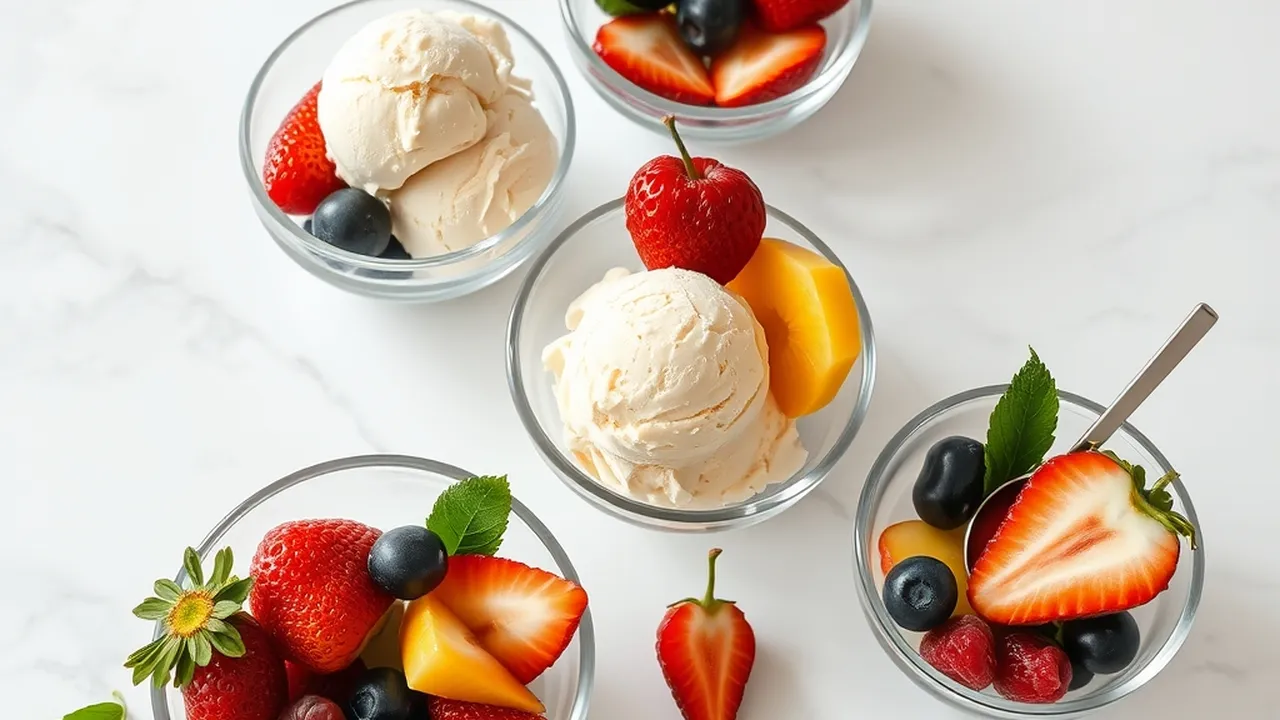
Start with a familiar classic
A classic flavor such as vanilla or chocolate gives a group a starting point everyone recognizes. Guests unsure of what they want often reach for a familiar scoop first.
This choice also works well underneath toppings, since it doesn't compete with other flavors. A steady classic keeps the whole lineup approachable for cautious eaters.
Consider offering two classics rather than one, since preferences split between vanilla and chocolate in most groups. A second classic option prevents a bottleneck at the counter when everyone reaches for the same flavor. Keep the classics simple, without mix-ins, so they serve as a neutral base. This approach also makes portioning predictable for whoever is scooping. Classic flavors also serve well in cups, cones, or sundaes without extra planning. They melt at a predictable rate, which matters if dessert sits out during a gathering. A familiar flavor rarely goes to waste, since almost every guest will try at least one scoop. Starting here frees attention for the more distinctive choices on the table.
Add something fruity
A fruit flavor such as strawberry or a citrus option brightens a lineup that leans heavy on chocolate and cream. Fruity choices appeal to guests who want a lighter dessert after a full meal. They also pair naturally with fresh fruit or a light sauce as a topping. This balance keeps the spread from feeling one-note. Sorbet or a fruit-forward ice cream works well for guests who prefer less richness overall. Serving a fruity option next to heavier flavors gives people an easy way to compare. A tart flavor can also cut through a very sweet topping bar. Placing it near the middle of the lineup helps guests notice it without hunting for it.
Fruity flavors can look similar to one another once scooped.
Keep the container clearly labeled so guests know what they are choosing. A rotating fruit choice lets a group try something seasonal without much extra effort.
Include one adventurous choice
One less common flavor gives curious guests something to talk about after the gathering.
An adventurous option can combine an unexpected spice, a savory note, or an unusual mix-in. A small batch is often enough to satisfy anyone who wants to try it.
Placing the adventurous flavor near the classics lets hesitant guests taste it as a small side scoop rather than a full commitment. This positioning also encourages comparison, since people can taste something bold right after something familiar. A short handwritten label describing the flavor helps guests decide before they scoop. Curiosity tends to rise when the description is specific rather than vague.
Not every guest will try the adventurous flavor, and that is part of its role in the lineup. It exists to add variety rather than to satisfy the whole group. A single scoop size keeps waste low if the flavor doesn't sell as quickly as the others. This choice signals that the spread has some personality beyond the expected options.
Balance textures and richness
A good lineup mixes textures, so a smooth flavor sits near one with mix-ins like nuts or cookie pieces. Contrast in texture keeps a tasting plate interesting from the first bite to the last. Richness should also vary, with at least one lighter option next to something denser. This range gives guests more reasons to try more than one flavor.
Consider how flavors will sit next to each other once served in small cups or cones.
A very rich flavor can overpower a delicate one if they touch on the same plate. Spacing out the richest options helps each flavor keep its own identity. This small detail matters more at a shared table than it does for a single scoop at a counter.
Texture also affects how a flavor holds up once toppings are added. A dense, creamy base can carry a heavier topping without turning mushy.
A lighter or icier flavor pairs better with something crunchy rather than syrupy. Thinking through these combinations ahead of time saves guesswork once the group starts serving itself.
Plan the lineup before serving
Writing out the flavor list ahead of time helps check that it covers a classic, something fruity, and one adventurous option. This short exercise catches gaps, such as a lineup that leans entirely rich or entirely light.
It also helps estimate how many flavors a group actually needs. A shorter list, chosen well, usually satisfies more people than a very long one.
Asking a few guests about preferences beforehand helps when the group is large or the occasion matters.
Their answers can shape which classic, fruity, or adventurous flavor makes the final cut. This step also flags anyone who wants to skip a particular flavor entirely.
Frostwhistle Creamery
Call (360) 555-0107 or send the form to ask about the flavors in the case.