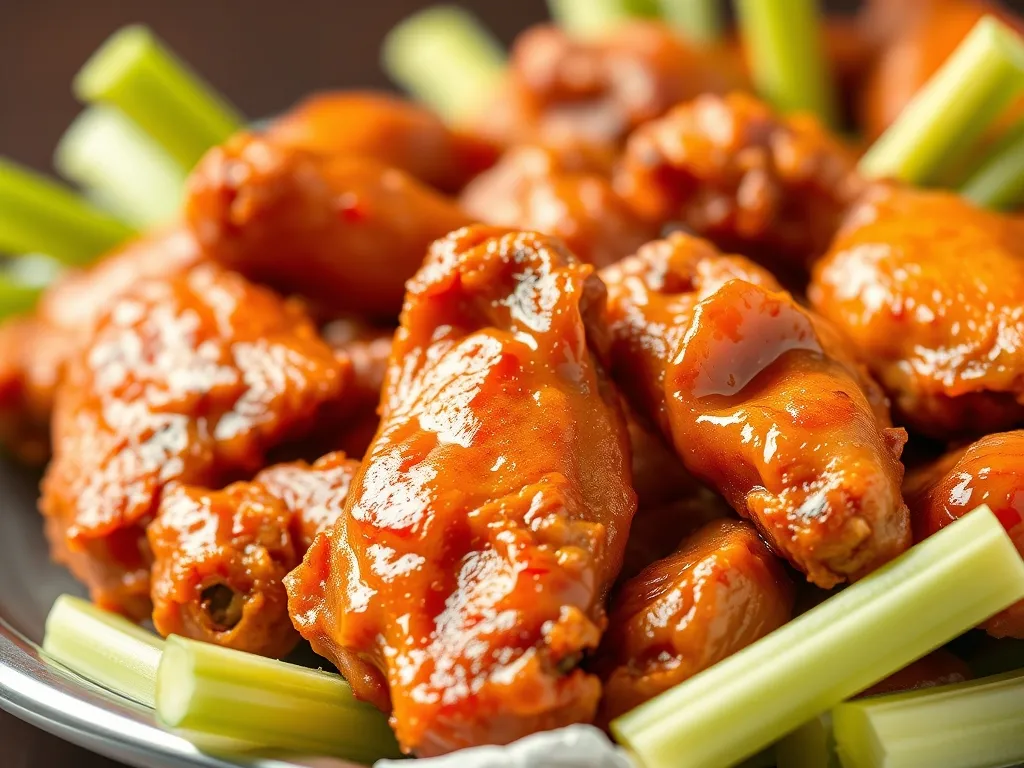
Mild styles to start with
Mild wing sauces are built around butter mixed with hot sauce for flavor. Classic buffalo at the mild end uses a thin layer that coats the wing lightly. Honey barbecue is another mild option, leaning sweet rather than spicy. These styles work well for a first order or someone who wants flavor without much burn. Garlic parmesan is another mild style, dry rather than saucy, built on cheese and garlic. This style suits a table that wants flavor without any lingering heat afterward. Mild sauces also pair well with a side of ranch or blue cheese for dipping. That pairing cools down any small amount of heat the sauce carries.
A mixed order often starts with a mild sauce before moving to something hotter.
That order lets a table gauge tolerance before committing to a spicier round. Mild wings work as a safe choice for a group with mixed preferences. Starting mild and building up is a common approach for a first order.
Medium sauces with more kick
Medium wing sauces raise the ratio of hot sauce to butter, adding real heat. Classic buffalo done at medium strength is the benchmark most other sauces get compared against.
A Cajun-style sauce blends hot sauce with paprika and other spices for a smoky kick. These sauces still let the flavor of the wing come through alongside the heat.
Nashville hot sits closer to the medium range depending on how it gets prepared. It usually adds a red chili paste brushed onto the wing after frying. That style carries heat along with a slightly sweet, toasted flavor from the spice blend. Medium sauces are a common middle ground for a table without a clear favorite.
A server can usually describe how a medium sauce compares to milder or hotter options. Asking about the base ingredients helps set expectations before the order goes in. Medium heat sauces work for someone who wants a real kick without much burn. This range covers a lot of ground between a mild coating and a serious hot sauce.
Hot sauces for the brave
Hot wing sauces increase the concentration of chili and vinegar, cutting back on butter. Ghost pepper and habanero-based sauces fall into this category, built for real heat. These sauces often carry heat that builds over several bites rather than hitting all at once. A hot sauce order is usually meant for someone who already knows their tolerance.
Some hot sauces add fruit or citrus to balance the heat with some sweetness. Mango habanero is one example, pairing a sweet fruit base with serious chili heat.
Others lean straight into vinegar and chili with little else to soften the burn. Reading the description before ordering helps set the right expectation for heat.
A hot sauce order usually comes with a warning from the server about the heat. Milk or a cold drink on hand helps manage the heat if it builds up. Pacing the order with some mild wings on the side is a common strategy. Hot sauce is best ordered by someone who has tried a milder version first.
Dry rubs as an alternative
Dry rubs skip the sauce entirely, coating the wing in a blend of spices instead.
A classic dry rub includes paprika, garlic powder, salt and black pepper. Lemon pepper is a common dry rub style, leaning bright and peppery rather than spicy. Dry rubs give a different texture than a sauced wing, staying crisp rather than glossy.
Some dry rubs carry heat from cayenne or chili powder mixed into the spice blend. Others stay mild, built more around herbs and citrus than any real heat.
A dry rub wing pairs well with a dipping sauce on the side for variety. This style suits a table that wants variety without ordering more sauced wings.
Choosing between a sauce and a dry rub often comes down to preference on texture. A sauced wing carries more mess but more immediate flavor with each bite. A dry rub wing stays cleaner to eat and holds its crunch a bit longer. Trying one of each is a common way to compare the two styles.
Ordering a mix for the table
A group with mixed preferences usually orders a few different sauces rather than one. Splitting a large order into two or three sauces lets everyone find something they like. Asking the server which sauces are closer in heat helps avoid too much overlap. A spread from mild to hot covers most of the table's preferences at once. Ordering wings alongside a shareable dish like nachos or loaded fries fills out the table. That combination gives the group something to eat between rounds of wings. A pitcher of beer often accompanies a wing order for the table to share. Balancing heat levels across the order keeps everyone at the table satisfied.
Groups can call (360) 555-0111 or send the contact form with questions before ordering.
Asking about sauce options ahead of a visit helps plan the order. That check makes it easier to build an order that fits the whole table.
Goalwick Sports Bar
Call (360) 555-0111 or send the form to plan your visit to Goalwick Sports Bar.