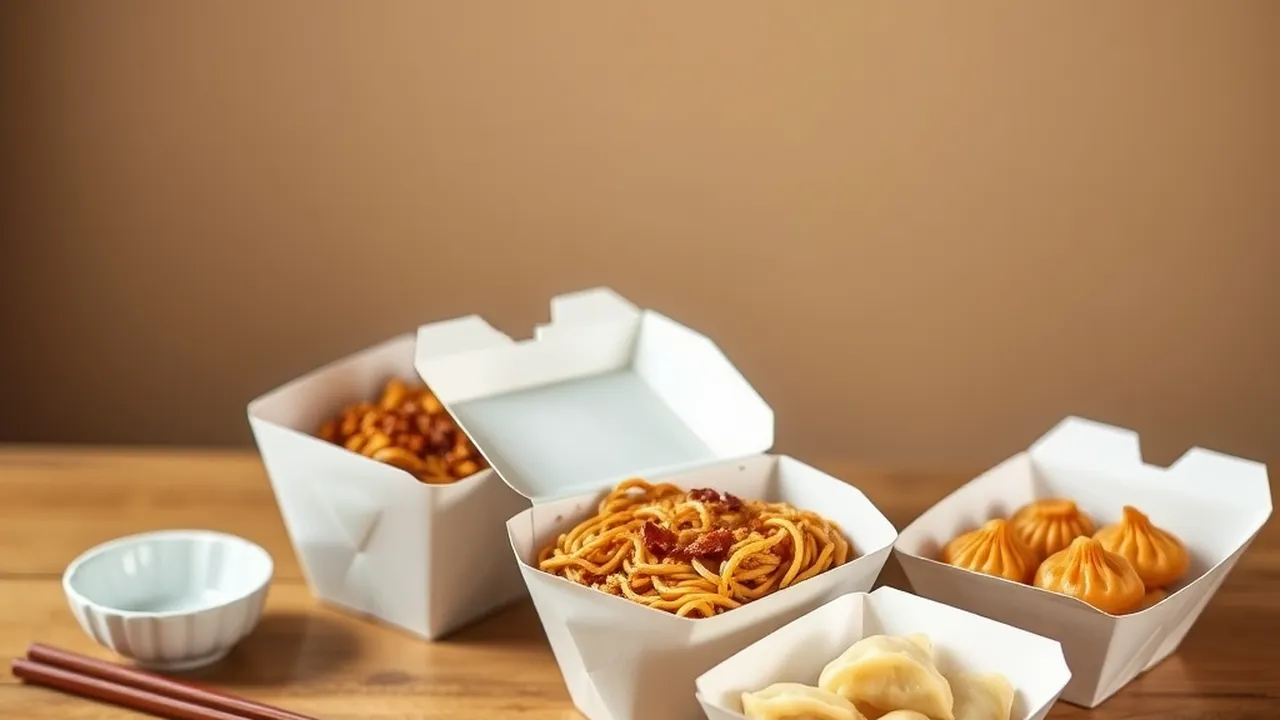
Sort dishes before choosing a method
Not every dish reheats the same way, so sorting food first saves a lot of guesswork. Group items by texture: crisp, saucy, or dry, before deciding how to warm them.
This quick sort points toward the oven, the skillet, or the microwave for each one. Skipping this step is how a crisp dish ends up soggy.
Take a moment to check what is left in each container before reheating anything. Some dishes hold moisture well and reheat evenly, while others dry out fast. Knowing which is which ahead of time changes how much attention that dish needs. A minute of sorting sets up the rest of the process.
Separate sauces from anything meant to stay crisp, even if they were packed together. Reheating them apart keeps one from softening the other. This separation takes only a few seconds but changes the outcome significantly. It is one of the simplest habits for better reheated food.
The oven for crisp textures
The oven works best for anything that was originally crisp or breaded. Even, dry heat brings back a texture that a microwave usually cannot restore. Spreading food out on a tray, rather than stacking it, helps heat reach every side. This method takes a little longer but keeps the outer texture close to original. Uncovered reheating in the oven allows moisture to escape instead of collecting on the surface. That moisture is often what makes reheated food turn soft or chewy. Checking partway through lets the exposed side get watched without guessing. A quick look partway through avoids overdoing it.
Items with a coating or a crust do especially well with this method. The dry heat re-crisps the outside while warming the inside through. It takes patience compared to a microwave, but the texture difference is noticeable. For anything meant to be crunchy, the oven is usually the better choice.
The skillet for sauces and stir-fry
A skillet suits dishes built around a sauce, a stir-fry, or anything with mixed ingredients.
Direct heat on the stovetop lets a sauce loosen and coat everything again. Stirring occasionally keeps the ingredients moving so nothing sits directly on high heat too long. This method also lets more liquid get added if a dish looks dry.
Starting with a lower heat setting keeps the outside from cooking faster than the inside warms. A dish reheated too quickly can end up hot on the surface but still cool inside. Slower reheating in a skillet spreads the heat more evenly through the dish. It takes a bit more attention but gives better control over the result. This method works well for dishes that separated a little in storage, like sauce settling to the bottom. Stirring in the skillet brings everything back together as it warms. It also lets a splash of water or broth be added if the sauce thickened too much. A skillet gives more room to adjust than most other methods.
The microwave for quick jobs
The microwave is the fastest option and works well for softer dishes without a crisp element. Covering the container loosely traps some steam, which helps keep the food from drying out. Stirring or turning the dish partway through spreads the heat more evenly. This method suits anything that was soft to begin with.
Shorter intervals with a pause in between usually beat one long stretch of heating. Checking partway through catches uneven spots before they become a problem. This is especially useful for dishes with mixed textures, like rice with vegetables mixed in. A little patience with the timing makes a real difference. Dishes that were crisp originally tend to lose that texture in the microwave no matter how it is used. For those, another method usually gives a better result. But for soft, sauce-based, or simple dishes, the microwave is often the most practical choice. Matching the method to the dish is the key idea throughout.
Storing leftovers before reheating
How food is stored beforehand affects how well it reheats later. Keeping items in sealed containers helps hold moisture and keeps flavors from mixing together.
Storing sauces separately from anything meant to stay crisp makes reheating easier down the line. A little care at this stage pays off at the reheating stage.
Flat, shallow containers cool food more evenly than deep, crowded ones. This matters for both cooling and later reheating, since evenly stored food warms more evenly too. Labeling containers with what is inside saves time when deciding how to reheat each one. These small habits make the whole process smoother.
Giving food room to cool before sealing it tightly helps prevent extra moisture from building up inside the container. That built-up moisture is often what makes reheated food seem soggy the next time around. A few extra minutes at this step improves the result later. Good storage habits are half of good reheating.
Ready for your next order
Match each dish to the right method: the oven, the skillet or the microwave. Sort food, store it well and reheat with attention. These habits apply to most takeout meals and make a real difference in how the plate tastes when it reaches the table. For a fresh order instead, call Tindlewick Takeout at (360) 555-0103 or send the contact form to arrange pickup. Ordering ahead means less time spent reheating and more time eating it fresh. Either option is a simple way to get a meal from Kestrel Bay without the extra steps. Reach out whenever the next order is ready to go in.
Tindlewick Takeout
Call (360) 555-0103 to place a pickup order or send the contact form for catering and private events.