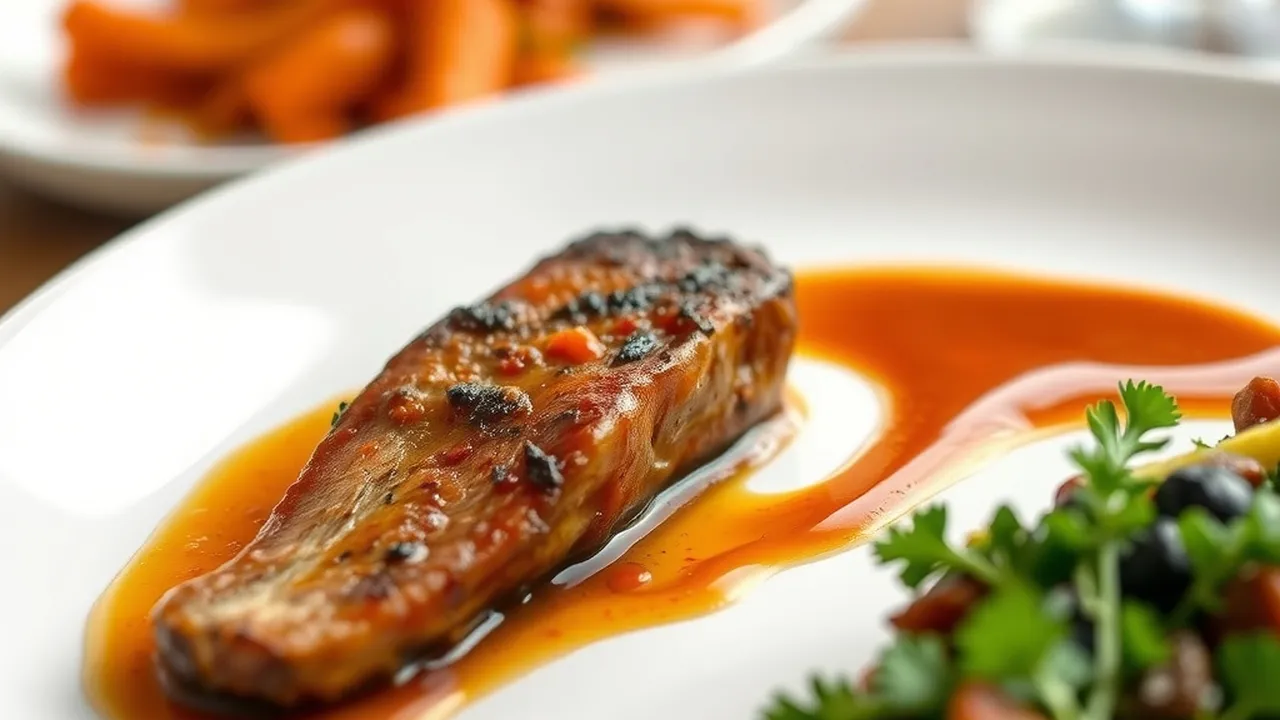
Pacing through the evening
A tasting menu moves through a sequence of small courses. Each course arrives and is cleared, and the next begins. The kitchen sets the pace. The meal takes longer than a standard dinner. Servers usually explain each course briefly before it lands on the table. Listening to that short description helps set expectations for flavor and temperature. Some courses are meant to be eaten quickly while still hot. Others, like a chilled dish, can sit a moment without losing character.
Diners who prefer a brisk meal should mention that when booking. A kitchen can sometimes adjust spacing between courses on request.
Rushing a tasting menu changes how the flavors are meant to build. Settling into the rhythm the kitchen sets is part of the format.
Portion sizes across many courses
Portions in a tasting menu are smaller than a single main course. Each dish is scaled for a longer sequence of eating.
The overall meal typically adds up to a filling amount. Coming hungry but not starving works better than skipping earlier meals entirely.
A smaller portion allows a wider range of flavors and techniques on one menu. It also keeps the last few courses enjoyable rather than heavy. Richer dishes tend to appear before lighter ones toward the end. Dessert courses often close the sequence with something sweet and small.
Portion size can also depend on the number of courses offered that evening. A shorter sequence may include larger plates than a longer one. Asking about the number of courses ahead of time sets expectations. This helps a diner plan the rest of the day around the meal.
Sharing dietary needs ahead of time
Dietary needs are best shared when a reservation is made rather than at the table. A kitchen preparing a fixed sequence needs time to plan substitutions. Mentioning allergies, dislikes or restrictions early gives the kitchen room to adjust. Waiting until arrival limits what can reasonably change.
Specific detail helps more than a general note. Naming an ingredient to avoid is clearer than describing a broad category. A kitchen can usually swap a component within a course. Whole courses are harder to replace without advance notice. No kitchen can eliminate cross-contact with a given ingredient in a working kitchen. Sharing needs early is about planning. A clear conversation at booking sets realistic expectations for the table.
Reading the menu format
A tasting menu is usually printed as a numbered list of courses.
Ingredients are named rather than fully described in most cases. A diner unfamiliar with a term can ask before the course arrives. Servers are generally prepared to explain any word on the list.
Some menus name a wine pairing alongside each course. Others leave that choice separate from the food sequence entirely. Reading the format before the meal starts helps set the order of expectations. A printed menu can also serve as a record of the evening afterward. Courses are typically arranged from lighter to richer and back to something sweet. This order is not arbitrary and reflects how flavors build across a meal. Skipping around the sequence is not usually offered as an option. The set order is part of what a tasting menu is built around.
Making the reservation
A tasting menu is often offered on specific nights rather than every evening. Confirming which nights it runs helps avoid a wasted trip. A phone reservation is the more common way to book this kind of meal. Booking ahead secures a table for the length the format requires. Party size matters when a tasting menu is involved. Larger groups can complicate a kitchen's timing across many small courses. A phone call at booking is the place to confirm how many can be seated together. Mentioning the number in the party at the start avoids confusion later.
Reservations are taken by phone for parties of up to eight. A phone call at booking is the way to reserve a table for the tasting menu. Call (360) 555-0101 to book a table or send the form with questions about the evening.
Velmoor Dining Room
Call (360) 555-0101 to reserve a table or send the form to plan a private event.