Where to park sets the plan
The parking spot for the vehicle decides most of the layout for a home charger. A driveway close to the house often means a shorter cable run and less conduit. A garage spot changes the mounting height and may need extra weatherproofing considerations. Think about where the car sits most nights before choosing equipment.
Some homes park in a carport that sits away from the main panel. That distance changes how much wiring the job needs and where the charger unit sits. A spot near an exterior wall can simplify the run compared to one across the yard. Walk the path from the panel to the parking spot before deciding on a charger.
Reading the electrical panel
A charger draws a steady, heavy load compared to most other outlets in a home.
The panel needs enough spare capacity to add that circuit without straining the rest of the house. An older panel may already be close to its limit from other appliances. This is why an electrician checks the panel before recommending a charger model.
Panel age and brand matter because parts for older panels can be harder to source. A panel that trips often under normal use may not be ready for a new heavy circuit. Add up what already runs on the panel, from the range to the dryer. That list helps an electrician judge whether the panel needs upgrading first.
Mounting location and cable reach
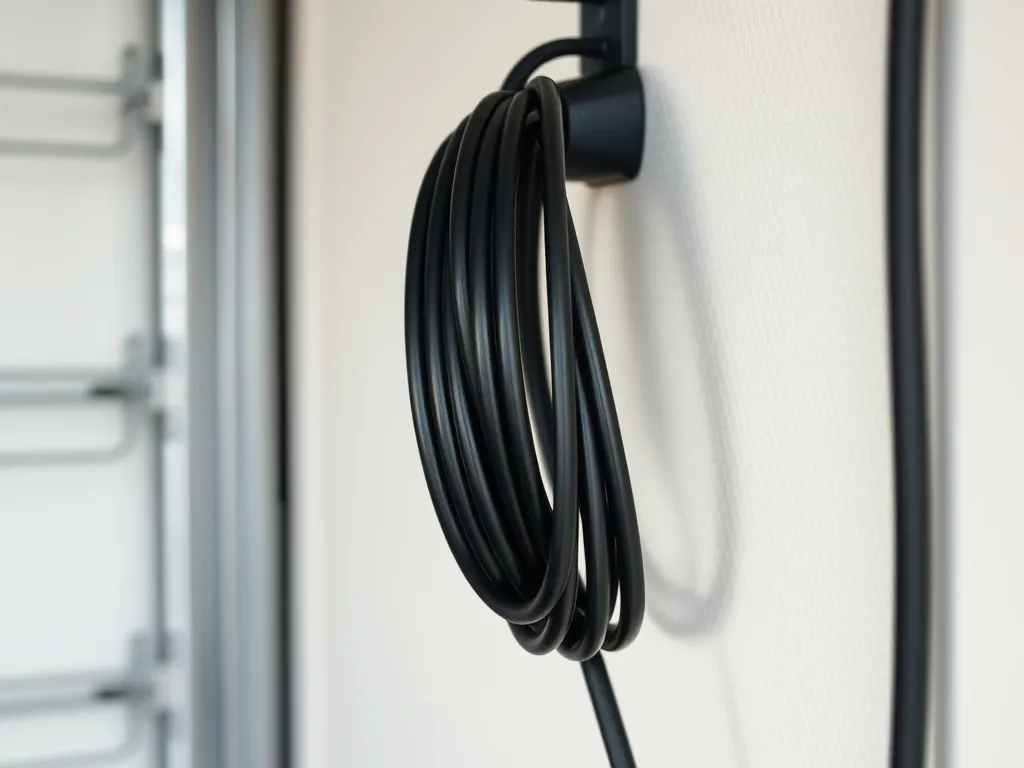
The charger unit itself usually mounts on a wall near the parking spot. Cable length on the unit determines how far it can reach the charging port. A mount too far from the car forces an owner to stretch the cable across a walkway. Placing the unit close to the parking spot avoids that daily hassle. Outdoor mounting uses hardware suited for outdoor conditions. A garage mount can use different hardware since it sits under cover. Cable routing along a wall looks different from routing through a garage ceiling or attic. An electrician can point out the route before work begins so there are no surprises.
Permits and inspections
Electrical work tied to a new circuit typically needs a permit from the local authority. An inspection afterward confirms the wiring and breaker match code for the load.
Skipping this step can create problems later when selling a home. Ask any electrician bidding the job whether the permit and inspection are part of the plan.
A permit record also gives a paper trail for future owners.
That record shows the circuit was sized and installed for the charger it now serves. Buyers often ask for this documentation during a home sale. Keeping it with other home records saves time later.
Questions to bring to an electrician
Before hiring anyone, ask what amperage the charger needs and whether the panel supports it. Ask how far the wiring run will be and what materials the job requires. Find out whether the charger unit is provided or needs to be purchased separately. A clear answer to each question makes comparing quotes easier.
Ask about the mounting location and whether it fits how the car parks day to day.
Ask whether a permit and inspection are included in the estimate. A written scope of work helps avoid confusion once the job starts. Call (360) 555-0116 or send the form to discuss these details with Ampwick Electric.
Ampwick Electric
Call (360) 555-0116 or send a quote request for the next electrical job.