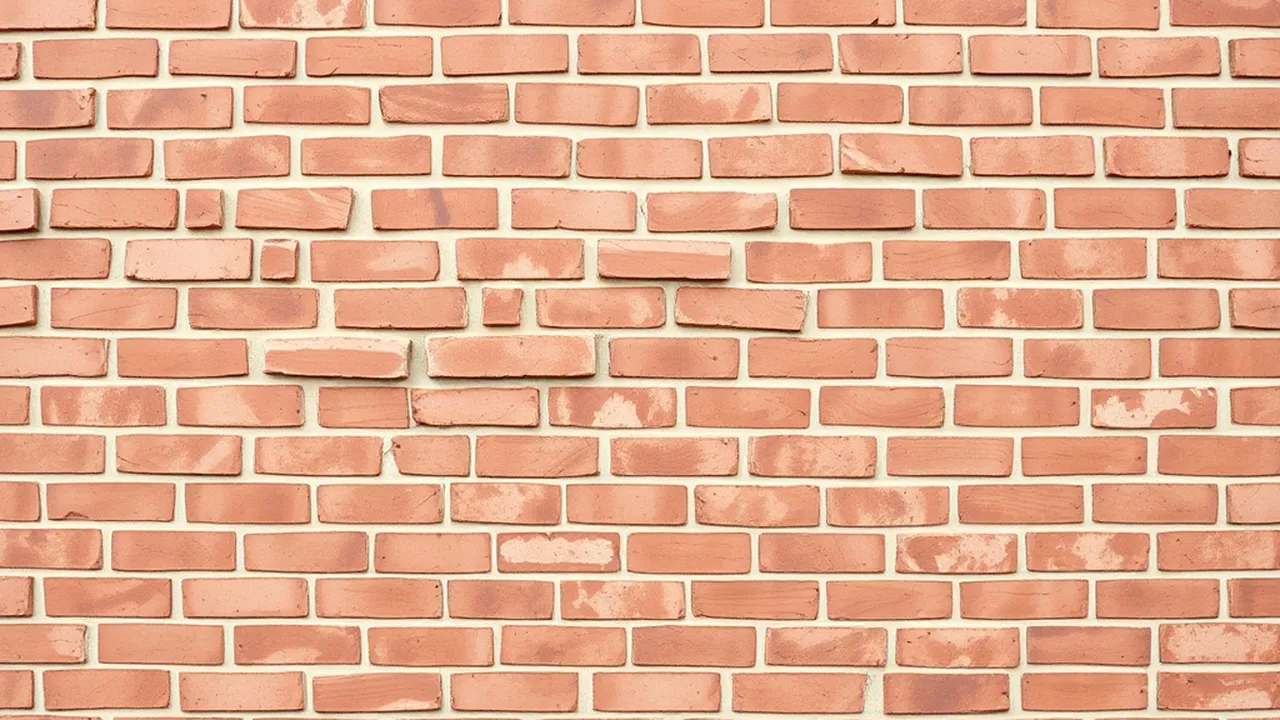
Crumbling mortar between bricks
Mortar joints wear down long before the bricks around them show any damage.
A joint that crumbles under a fingernail or a screwdriver tip has lost its bond to the brick. This happens gradually as rain and freezing cycles work into small cracks over years. Once mortar starts to flake away, the wall loses part of what holds it together.
A wall with soft or sandy mortar often looks fine from a distance but tells a different story up close. Running a hand along the joints can reveal loose grit or small pits where mortar used to sit flush.
These spots let more water into the wall with each rain. Left alone, the gaps widen and spread to nearby joints over time.
Checking mortar condition on an older wall or chimney should happen at least once a year, especially after a hard winter. A homeowner can look for color changes, texture changes, or joints that feel hollow when tapped. Any of these can point to mortar that needs attention. Catching it early usually means a smaller job than waiting until bricks start to shift.
Gaps and cracks in the wall
Gaps between bricks are usually the next stage after mortar starts to fail. A gap wide enough to fit a fingertip means the mortar has pulled away from the brick edge. These spaces let wind and water move through the wall more freely than before. Over time, this can affect how evenly the wall settles and carries weight above it.
Cracks that run diagonally across several bricks are worth noting during any walk around a property. They often follow the path of least resistance through weakened mortar joints rather than through the brick itself.
This pattern is a clue that the mortar, not the brick, is the root problem. Fixing the joints can often stop the cracking from spreading further.
Some gaps show up first at corners or near window and door openings, where the wall flexes more with temperature changes. These spots deserve a closer look during any inspection since they tend to fail before flatter sections of wall. Noticing the pattern early can help a mason figure out where repointing needs to start.
Water stains and their message
Water stains on brick or on interior walls near a chimney often point back to open mortar joints. Water finds the easiest path through a wall and mortar gaps are exactly that.
A stain that keeps returning after cleaning is a sign that water keeps entering the same spot. This is different from a one-time stain caused by a gutter overflow or a single storm.
Staining that appears near the base of a wall can mean water is traveling down from a higher gap before it shows on the surface. This makes the stain's location a poor guide to where the actual damage sits. A mason tracing the path of water back to its source often finds the true problem several feet away. This is one reason a visual check from ground level only tells part of the story.
Persistent staining paired with a musty smell inside a home suggests water has been moving through the wall for some time. That combination is worth mentioning to whoever inspects the property, since it changes how the repair should be approached. Addressing the mortar without addressing the moisture source rarely solves the problem for good.
What an inspection covers
A thorough look at brickwork checks more than the joints that are easy to see from the ground. It includes areas higher up the wall, around chimneys, and near rooflines where water tends to collect. These spots often show wear before anything at eye level does. A full check gives a clearer picture of how much repointing a structure actually needs. Inspecting from inside a home, particularly near a chimney or an exterior wall, can reveal signs that don't show outside yet. Peeling paint, damp patches, or a faint smell of moisture are all worth noting. These interior clues often line up with exterior mortar problems once someone connects the two. This is part of why checking both sides of a wall matters.
Documenting where mortar has failed, in photos or notes, helps track how quickly a problem is spreading. Comparing conditions year to year makes it easier to decide when repointing should happen rather than guessing. This kind of record keeping turns a one-time glance into a useful maintenance habit.
Getting a professional opinion
Not every crack or gap needs the same response, and telling the difference takes a trained eye.
Some issues call for a small amount of repointing in one section, while others point to wider wear across a wall. Getting an opinion before problems grow keeps repairs smaller and more manageable. It also helps set realistic expectations for what a project involves.
Bringing in someone with masonry experience for a walk-through can clarify whether mortar failure is limited or spreading. They can point out which joints need attention now and which ones can wait. This kind of guidance differs from trying to judge severity from photos or general advice alone.
Stonewick Masonry
Call (360) 555-0118 or send the quote form to discuss brick or stone work with Stonewick Masonry.