Why gutters matter
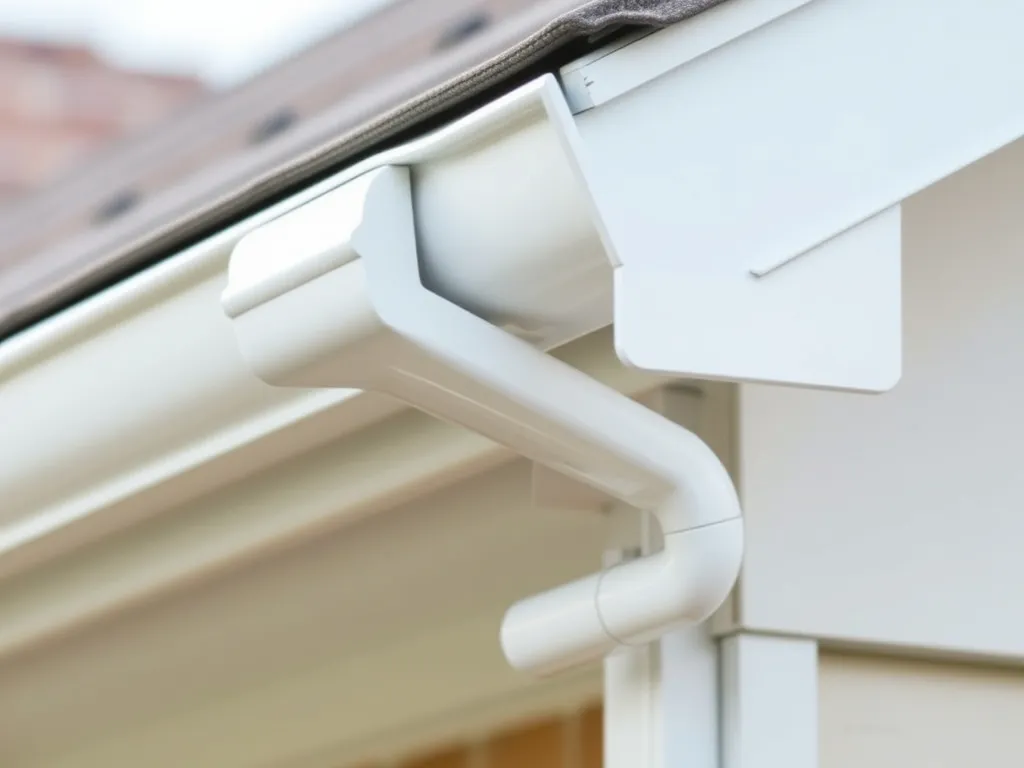
Gutters carry rainwater away from the roof edge and direct it away from the foundation. When they work as intended, water moves off the roof and through downspouts without pooling. A gutter system in good condition protects siding, foundations, and landscaping from repeated water exposure. Understanding this basic function makes it easier to spot when something has gone wrong. Water that cannot drain properly backs up under the roof edge instead of flowing away from the house. This backup can soak into fascia boards and roof decking over time. A gutter clogged with debris behaves like a dam, holding water against the roofline during every storm. That standing water creates conditions for wood rot and other slow damage.
Signs of a clog
Water spilling over the gutter edge during rain is one of the clearest signs of a blockage. Sagging gutter sections, pulled away from the fascia, often mean debris has added extra weight over time.
Plants sprouting from the gutter line indicate a buildup of soil and material inside. Any of these signs is worth a closer look before the next storm arrives.
Streaks of dirt or algae running down the siding below the gutters often point to repeated overflow.
Standing water visible in the gutter itself, rather than a smooth channel, signals a blockage further down the line. Birds or insects gathering around the gutter can also indicate a nest or debris buildup inside. Noticing these small signs early prevents a minor clog from becoming a bigger repair.
Seasonal checks
Gutters tend to collect the most debris during the seasons when trees drop leaves and seed pods. A check after a windy stretch of weather can catch debris before it packs down and hardens. Spring often brings a different kind of debris, including seed pods and broken twigs from new growth. Building a habit of checking after these seasonal shifts keeps gutters from being overlooked for long stretches.
Winter conditions can pack debris into gutters and freeze it in place, making it harder to clear later. Checking gutters before the coldest months arrive gives time to clear buildup while it is still loose. Summer storms can wash in a mix of dust, leaves, and small branches after dry stretches. Each season brings its own pattern of debris, so the timing of checks can shift throughout the year.
Tools and safety
Clearing a gutter usually calls for a stable ladder, gloves, and a way to scoop out debris.
A garden hose can help flush remaining grit once larger debris has been removed by hand. Working from a ladder on uneven ground adds risk that is worth planning around ahead of time. Having a second person nearby to steady the ladder is a common precaution during this kind of task.
Wet leaves and standing water inside a gutter add weight and mess that gloves help manage. A small hand trowel or a scoop designed for gutters makes removing packed debris easier than working by hand alone. Checking the ladder's footing on soft or sloped ground before climbing reduces the chance of a slip. These small steps make the process safer from start to finish.
What clogged gutters can lead to
Left unaddressed, a clogged gutter can lead to water finding its way into the roof edge and fascia. That trapped moisture can cause wood to rot slowly over multiple seasons of exposure. Once rot sets in, repairs extend beyond cleaning the gutter to replacing damaged wood underneath. Catching a clog early avoids this kind of gradual, hidden damage. Water overflowing near the foundation, season after season, can shift soil and affect drainage around the house. That pattern of erosion sometimes shows up as cracks in nearby walkways or settling near the foundation line. Basements below overflowing gutters may see more frequent dampness than they would with clear drainage. These effects tend to build slowly, which makes early attention more valuable.
Ice buildup in a clogged gutter during cold weather can add significant weight and strain gutter hangers.
That extra weight can pull gutters away from the fascia board entirely. Once gutters separate from the roofline, water no longer drains where it is meant to. Preventing this outcome starts with keeping gutters clear well before cold weather sets in.
When to call for help
Some gutter issues are simple enough to check and clear without much equipment. Others, especially on steep rooflines or taller homes, call for a closer look from someone familiar with the work.
Recurring clogs in the same section of gutter, despite regular cleaning, may point to a design or slope issue worth reviewing. Recognizing when a problem goes beyond a quick clean-out helps avoid repeated effort with little result.
A gutter pulling away from the house, or showing visible sagging, is worth addressing before the next storm. Persistent overflow despite clearing debris can mean the slope of the gutter needs adjustment rather than another cleaning. These kinds of structural questions go beyond a simple debris removal task. Getting a second opinion on the gutter's condition can clarify what kind of work is needed. Call (360) 555-0114 or send the online form to talk through what has been noticed and arrange a closer look at gutter condition and drainage.
Ridgewren Roofing
Call (360) 555-0114 or send a quote request to reach Ridgewren Roofing about a roof repair or replacement.